


Ayurvedic Wisdom for Vata Season
As summer begins to fade and the air turns cooler, many of us notice a shift—not only in nature, but within ourselves.
Perhaps your mind feels busier than usual. You find it harder to stay focused. Your sleep becomes lighter. Your skin feels drier. You may feel inspired and energized one moment, then scattered and depleted the next.
If this sounds familiar, Ayurveda has an explanation.

The Hidden Language of the Chakras
Have you ever felt anxious for no obvious reason, struggled to speak your truth, felt stuck in a pattern you can't seem to change, or noticed your energy feeling heavy and depleted?
From an Ayurvedic perspective, these experiences aren't simply happening in the mind or body alone. They can also be signs that your energy is asking for attention.
This is where the chakra system becomes such a fascinating and powerful tool for self-discovery.
The chakras are seven energy centers that run along the spine, each influencing different aspects of our physical, emotional, and spiritual well-being. While Ayurveda teaches us how to balance our unique mind-body constitution—the doshas of Vata, Pitta, and Kapha—the chakra system helps us understand where our energy may be flowing freely and where it may be blocked.

Daily Rituals, Timeless Wisdom: Create Your Ayurvedic Routine
In Ayurveda, the importance of a consistent daily self-care routines - Dinacharya - can’t be underestimated. It sets the tone for your entire day, bringing a sense of calm and well-being. It gives the body, mind, and spirit the chance to ground and cleanse, to start afresh.
Create your own daily routine by implementing the following Ayurvedic healing suggestions and begin to explore any changes or benefits to your well-being.

Summer Pitta-Pacifying Recipes
These simple, cooling, and nourishing recipes are ideal for balancing Pitta dosha during the summer season. Each dish emphasizes sweet, bitter, and astringent tastes, while avoiding excessive heat, spice, and oil.
Breakfast: Stewed Apple & Pear with Cardamom and Mint
Lunch: Cooling Quinoa Bowl with Cucumber & Cilantro-Lime Dressing
Dinner: Mung Dal & Zucchini Soup
Tea: Hibiscus Limeade

Balancing Pitta: Cooling Practices for Summer
Cooling the Fire of Summer
As spring gives way to summer, many of us begin to notice more heat building in the body and mind. You may feel more irritable, overheated, impatient, inflamed, or mentally “on” all the time. Skin sensitivity, acid reflux, headaches, disrupted sleep, or feeling easily frustrated can all be signs that Pitta energy is increasing. In Ayurveda, this is completely natural during the warmer months.
The key to balancing Pitta isn’t doing more—it’s creating space to cool, soften, and slow down. A few gentle ways to support yourself during Pitta season:
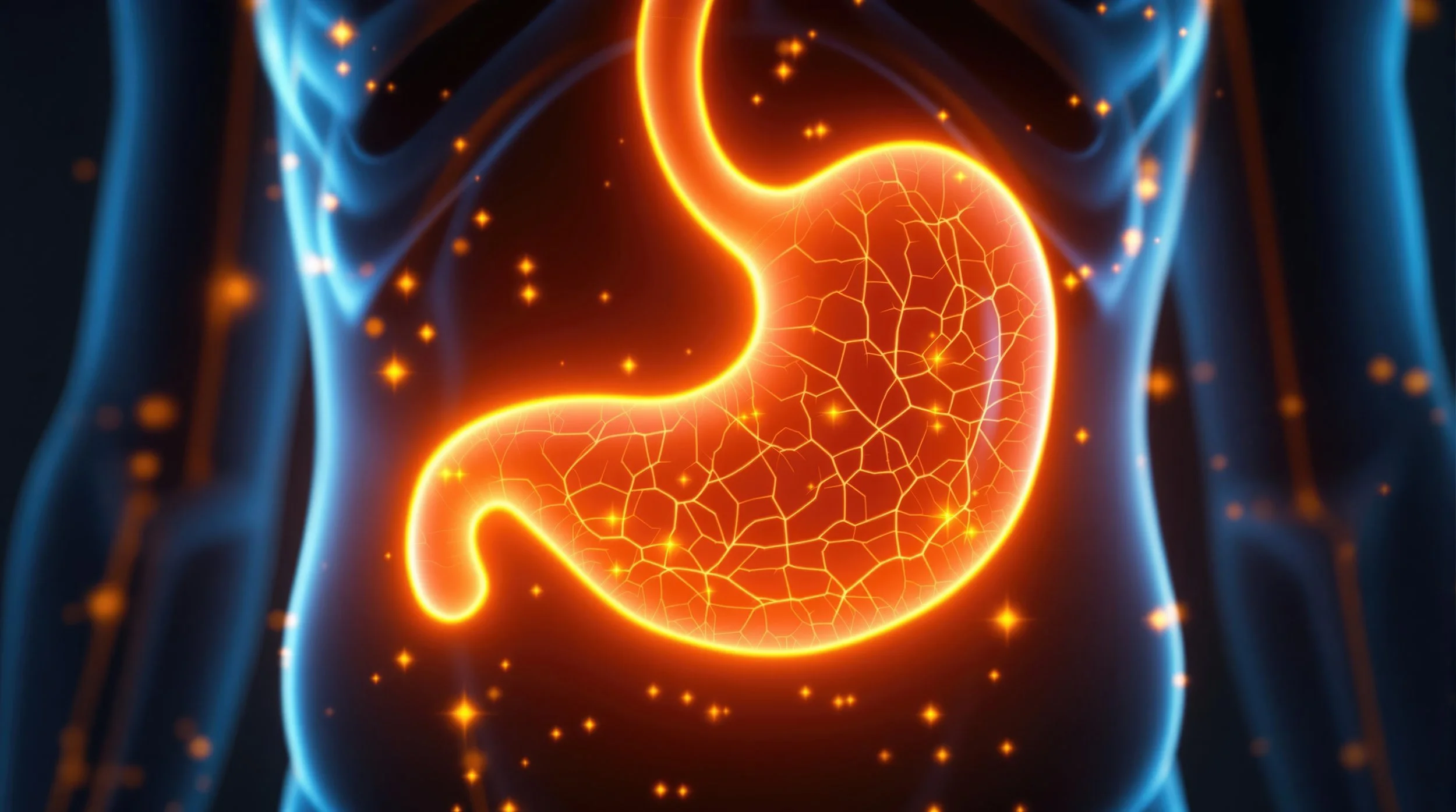
What is Agni and why is it so important?
“You’re not just what you eat—you’re what you digest.” This simple idea sits at the heart of Ayurveda, and it all begins with Agni, your inner digestive fire.
In Sanskrit, Agni literally means “fire,” but in the body, it represents much more than just physical digestion. Agni is the intelligence that governs how you transform everything you take in—not only food, but also thoughts, emotions, and life experiences. It’s the force that turns nourishment into energy, clarity, and vitality.

How to Practice Yoga During Kapha Season
Awakening Your Energy: A Gentle Yoga & Ayurveda Guide for Kapha Season
During Kapha season, it’s very common to feel less motivated to roll out your yoga mat—even when you know practice would help. Heaviness, sluggishness, or that familiar “I’ll do it tomorrow” feeling can quietly settle in. If this resonates, take heart: it’s not a lack of discipline. It’s simply the natural qualities of the season expressing themselves through your body.

Preparing for Kapha Season
Waking Up Your Energy This Spring
As winter slowly turns into spring, many of us start to feel a little heavier, slower, or more congested—physically and emotionally. You might notice low motivation, stubborn fatigue, allergies, or that foggy feeling that’s hard to shake. In Ayurveda, this time of year is known as Kapha season, and what you’re feeling is actually very normal.
Kapha is made up of earth and water. It’s the energy that gives us stability, strength, and emotional steadiness. When Kapha is in balance, we feel calm, loving, patient, and supported. But during late winter and early spring, Kapha naturally increases in the body. That’s when we can start to feel weighed down—more mucus, sluggish digestion, heaviness in the chest, or a desire to sleep more and do less.