Benefits of Ayurvedic Abhyanga
SOUL TREE HOLISTIC AYURVEDA & YOGA · SEASONAL SELF-CARE
A Nourishing Ritual of Self-Love
Discover the ancient Ayurvedic practice of warm oil massage and how a few mindful moments each day can help you feel more grounded, relaxed, and connected to yourself.
As the days grow cooler and autumn settles in, nature invites us to slow down, turn inward, and give ourselves a little extra care. In Ayurveda, fall is associated with Vata dosha, which carries the qualities of air and space: coolness, dryness, lightness, and movement.
As these qualities increase around us, we may notice them in ourselves, too. Our skin may feel drier, our minds busier, or our routines a little less settled. This is a wonderful time to return to simple practices that nourish the body and calm the mind.
One of my favorite Ayurvedic self-care rituals is Abhyanga, the traditional practice of self-massage with warm oil. It's a beautiful way to care for yourself from head to toe, while creating a quiet moment to pause, breathe, and reconnect with your body.
And the best part? You don't need a spa appointment or an elaborate routine. Just a little warm oil, a few minutes of your time, and a willingness to slow down.
What Is Abhyanga?
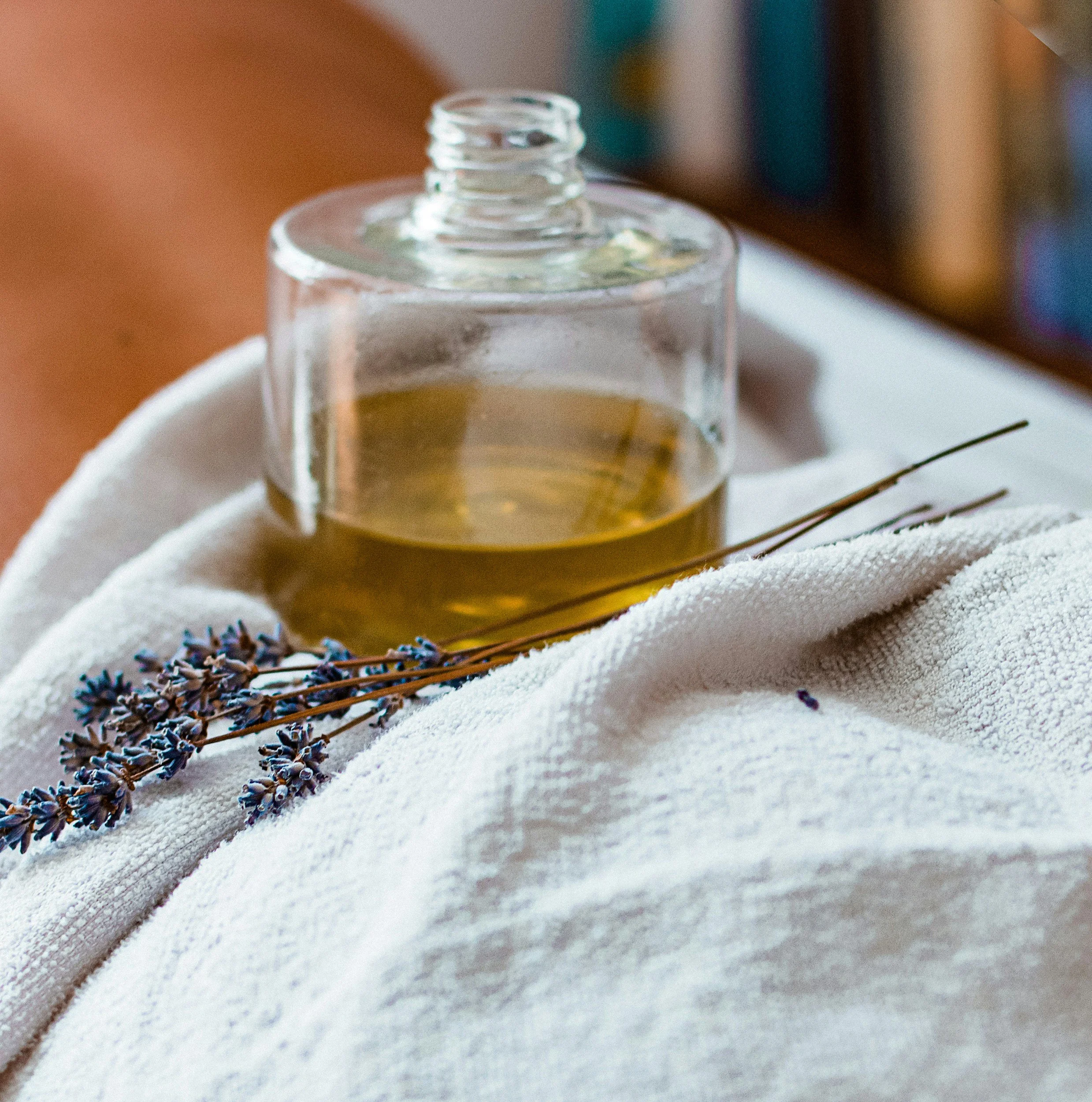
Abhyanga is a traditional Ayurvedic practice in which warm oil is gently massaged into the skin. It has been practiced for centuries as part of dinacharya, the Ayurvedic approach to daily self-care and healthy living.
Unlike a massage reserved for special occasions, Abhyanga invites us to make nurturing touch a regular part of our lives. The oil helps moisturize the skin, while the slow, rhythmic movements encourage us to become more present and attentive to our bodies.
In Ayurveda, oil is especially valued for its grounding and nourishing qualities. The Sanskrit word sneha means both oil and love—a lovely reminder that caring for ourselves can be an expression of kindness, warmth, and compassion.
When we practice Abhyanga, we're doing more than moisturizing our skin. We're creating an opportunity to quiet the mind, soften tension, and offer ourselves the same care we so freely give to others.
5 Benefits of Abhyanga
1. Helps Calm the Mind and Nervous System
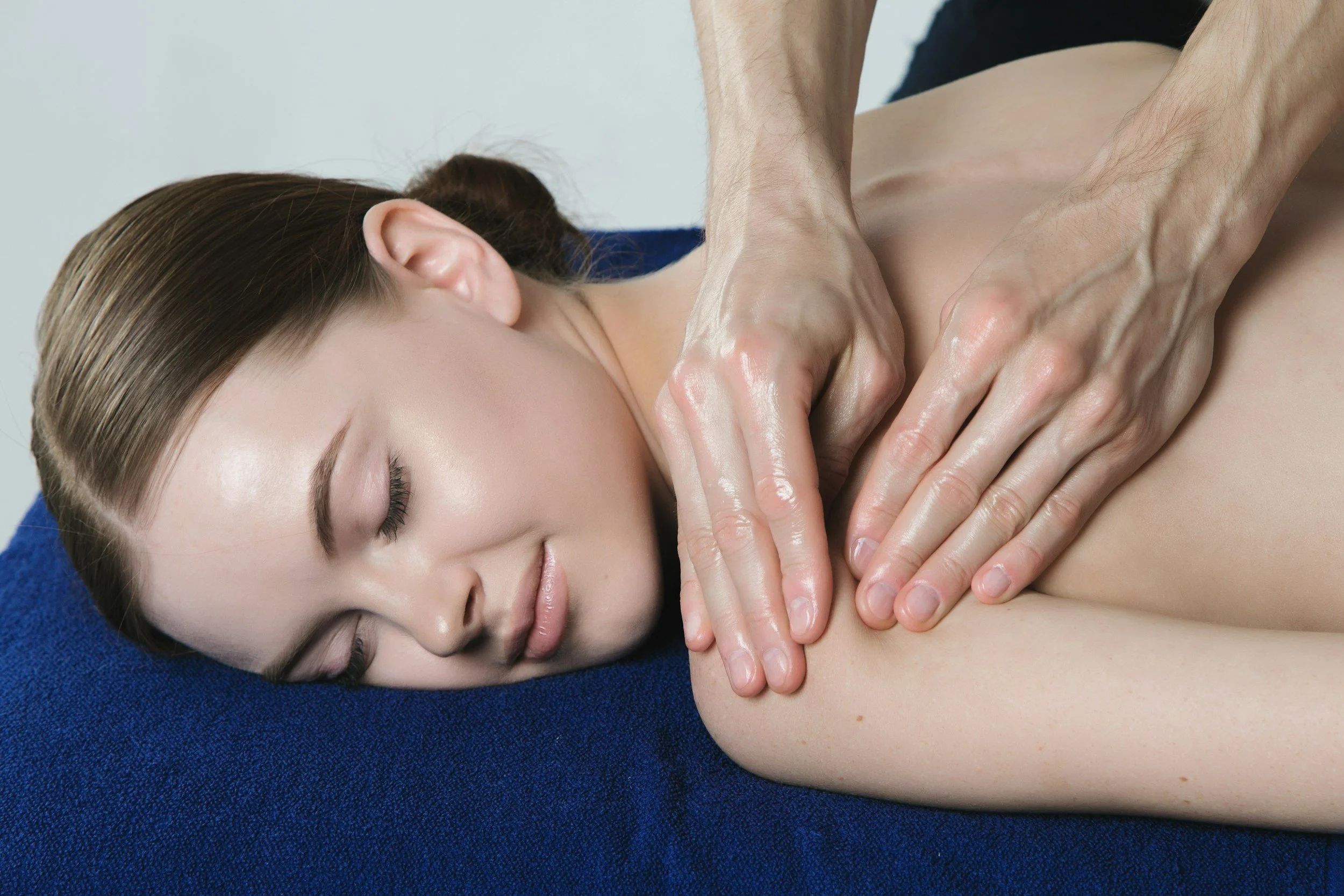
Our days can be filled with responsibilities, stimulation, and constant movement. Abhyanga offers a chance to step out of that momentum. The soothing sensation of warm oil and gentle touch can help ease feelings of tension and encourage relaxation.
Think of it as a small daily reminder to slow down, take a breath, and give your body permission to settle.

2. Nourishes Dry Skin
As temperatures drop and the air becomes drier, our skin often needs extra nourishment. Massage oils help soften the skin, replenish moisture, and support its natural protective barrier.
In Ayurveda, this quality of nourishment is especially welcome during Vata season, when dryness and roughness tend to increase.

3. Encourages Restful Sleep
A calming oil massage can become a lovely evening ritual to help transition from the activity of the day into rest. Gently massaging the feet, hands, or scalp may help release tension and create a sense of ease before bedtime.
Research on Abhyanga is still developing, but a small clinical trial found improvements in perceived stress, sleep quality, and overall quality of life among participants practicing oil self-massage. Individual experiences will vary. Source: Banyan Botanicals' Abhyanga study
4. Supports Circulation and Body Awareness
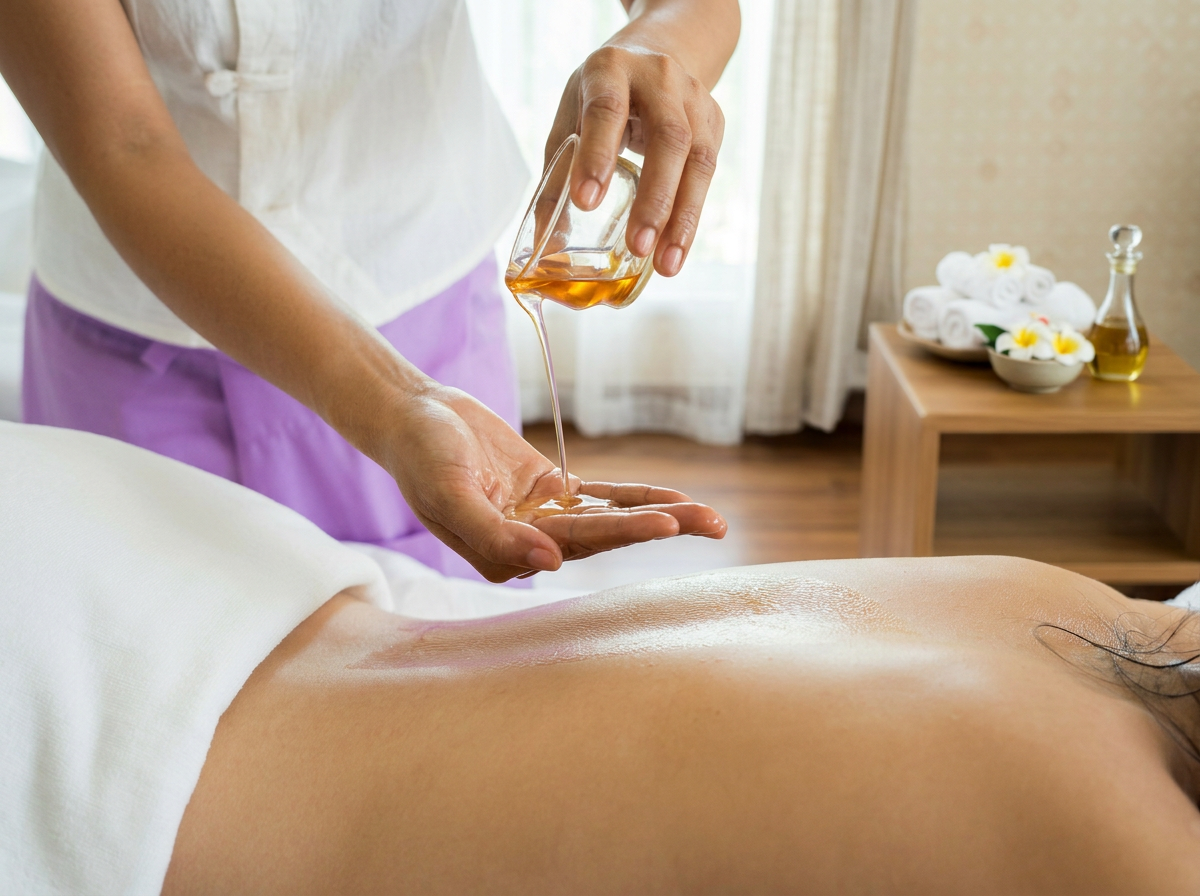
Gentle massage encourages local circulation and brings attention to areas of the body that may hold tension or feel neglected.
As you move slowly from your feet toward your shoulders, you have an opportunity to notice how your body feels that day. This simple act of awareness can help you develop a more caring relationship with yourself.

Creates a Grounding Daily Ritual
Perhaps one of the most meaningful benefits of Abhyanga is the opportunity to make time for yourself.
Ayurveda teaches us to live in harmony with nature and the rhythms of the day and seasons. A regular self-massage practice can become an anchor—a few quiet moments that help you feel more present, supported, and connected to your body's needs.
Why Abhyanga Is Especially Lovely During Fall
In Ayurveda, like tends to increase like, while opposite qualities help restore balance. During fall, the cool, dry, light, and mobile qualities of Vata can be balanced with warmth, moisture, steadiness, and routine.
This is why warm oil massage is such a cherished practice during the autumn months.
You might notice that you feel more settled after a few quiet minutes of self-massage. Or perhaps you simply enjoy the feeling of soft, nourished skin and the opportunity to begin your morning without rushing.
There is no need to make the practice complicated. Start small and let it become something you look forward to.

How to Practice Abhyanga at Home
WATCH THIS HOW TO YOUTUBE VIDEO
You don't need to spend a long time on your first attempt. Begin with a simple ritual and gradually build from there.
1. Warm your oil.
Place a small amount of oil in a heat-safe container and warm it gently in a bowl of warm water. Always test the temperature before applying it to your skin; the oil should feel comfortably warm, never hot.
2. Find a quiet moment.
Choose a warm space where you won't feel rushed. Apply a little oil to your hands and begin massaging your feet, legs, arms, and shoulders with gentle, attentive movements.
3. Use slow, mindful strokes.
Use long strokes along your arms and legs and gentle circular movements around your joints. If it feels comfortable, massage your abdomen in soft, clockwise circles. Avoid painful pressure or irritated skin.
4. Pause, then rinse.
Allow the oil to sit for a few minutes if convenient, then take a warm shower. Use a dedicated towel and take care on slippery floors. Even a brief practice can be a nourishing way to begin or end your day.
A little reminder: Traditional Abhyanga can be a full-body practice, but you don't have to do everything at once. On busy days, massaging your feet before bed or applying oil to your hands and legs can be a lovely place to begin.
Choosing the Right Ayurvedic Oil
In Ayurveda, the best oil depends on your individual constitution (prakriti), current state of balance (vikriti), the season, and your skin's needs.
For Vata: Warming, nourishing oils are often favored to help balance qualities of dryness and cold.
For Pitta: Gentler, less-heating oils may be more suitable, especially during warm weather or when heat is already elevated.
For Kapha: A lighter application with more invigorating massage strokes may be preferred.
These are general Ayurvedic guidelines, not one-size-fits-all rules. If you're unsure which oil is appropriate for you, consider your personal needs and seek guidance from a qualified Ayurvedic practitioner. Always check product ingredients and test a small area of skin first.
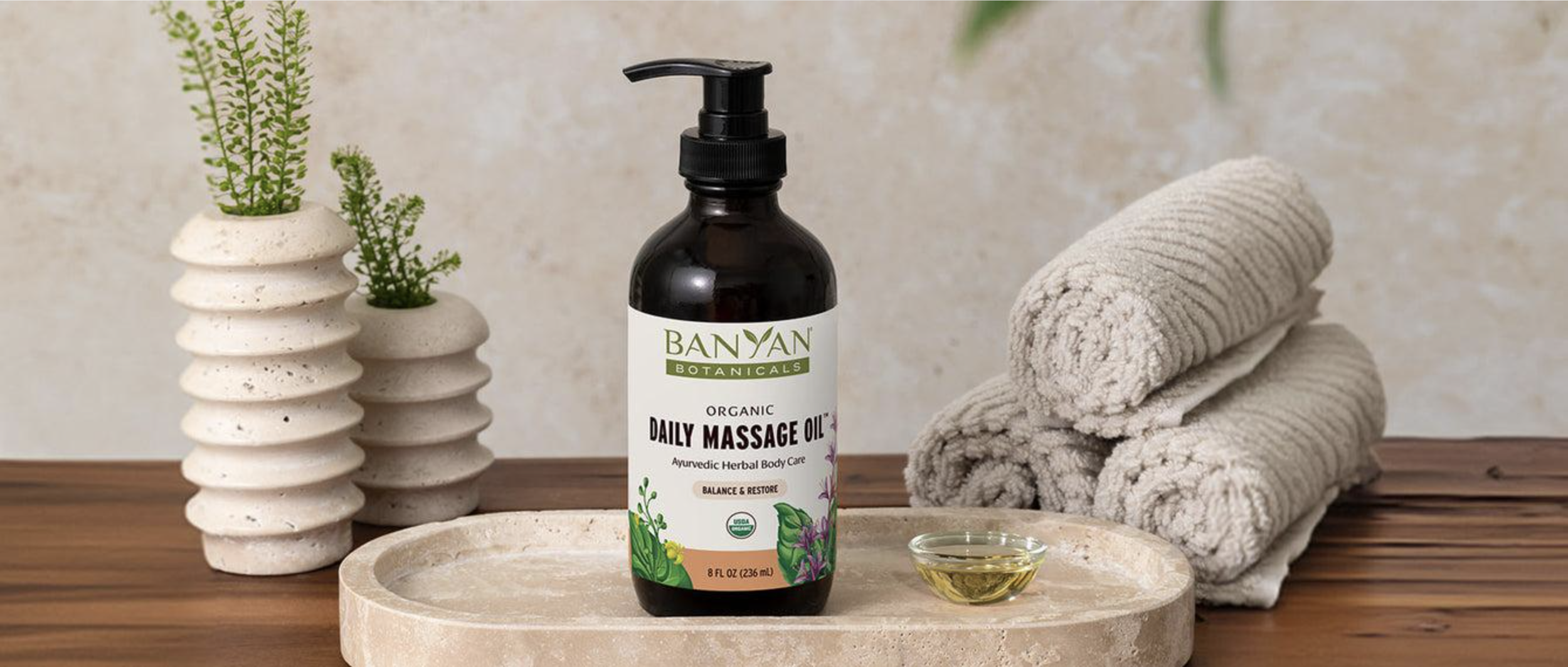
20% off Herbal Massage Oils
October 20–28, 2026
Use discount code OILISLOVE at checkout.
This is an affiliate link. If you make a purchase through my link, I may earn a commission at no additional cost to you. Thank you for supporting Soul Tree!
A Final Thought
Self-care doesn't have to be another task on your to-do list. Sometimes, it's simply choosing to pause.
As you move through this autumn season, consider giving yourself a few minutes each day to slow down, breathe deeply, and nourish your body with warm oil. Let it be a time to listen to what you need, soften the pace of your day, and remember that your well-being matters, too.
You deserve the same kindness and care that you offer to others.
With warmth,
Monica Limon
Soul Tree Holistic Ayurveda & Yoga
Editorial note: This article shares traditional Ayurvedic wellness practices for educational purposes and is not a substitute for medical advice. Avoid massage over inflamed, injured, or infected skin, and consult your healthcare professional if you have concerns about whether oil massage is appropriate for you.