Summer Pitta-Pacifying Recipes
One of the things I love most about Ayurveda is that it reminds us to live in rhythm with nature. As the days grow warmer and the sun shines brighter, our bodies naturally begin to absorb more of summer's fiery energy. While this season invites us to spend more time outdoors and embrace its vibrant beauty, it also asks us to slow down, cool off, and nourish ourselves in ways that help us stay balanced from the inside out.
The foods we eat can be some of our greatest allies during the summer months. Choosing fresh, seasonal ingredients that are naturally cooling and easy to digest helps calm excess Pitta while supporting steady energy, clear thinking, and a peaceful state of mind. The simple recipes I've gathered here are some of my favorite ways to honor the season. They celebrate the sweet, bitter, and astringent tastes that Ayurveda recommends for summer, using fresh herbs, colorful vegetables, gentle spices, and cooling beverages to help you feel refreshed and nourished. I hope these recipes inspire you to slow down, enjoy the abundance of the season, and discover just how healing a simple meal can be when prepared with intention.
These simple, cooling, and nourishing recipes are ideal for balancing Pitta dosha during the summer season. Each dish emphasizes sweet, bitter, and astringent tastes, while avoiding excessive heat, spice, and oil.
Breakfast: Stewed Apple & Pear with Cardamom and Mint
Lunch: Cooling Quinoa Bowl with Cucumber & Cilantro-Lime Dressing
Dinner: Mung Dal & Zucchini Soup
Tea: Hibiscus Limeade
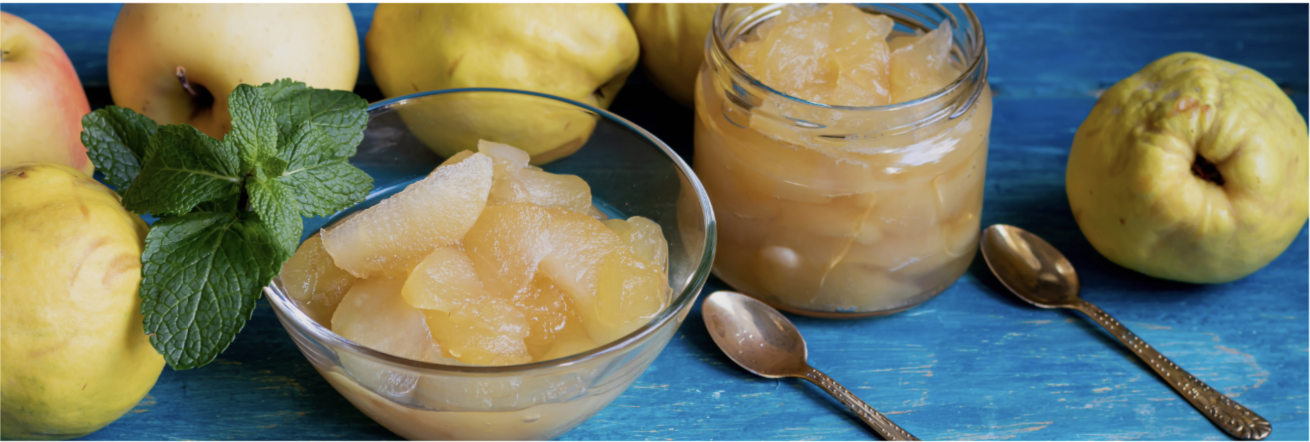
BREAKFAST
Stewed Apple & Pear with Cardamom and Mint
Ingredients:
1 apple, peeled and chopped
1 ripe pear, peeled and chopped
1/4 tsp ground cardamom
2-3 fresh mint leaves
1/2 cup water
Instructions:
Add apple, pear, water, and cardamom to a small pot.
Simmer over medium heat for 8–10 minutes, until fruit is soft.
Turn off heat and stir in fresh mint leaves.
Serve warm or room temperature.
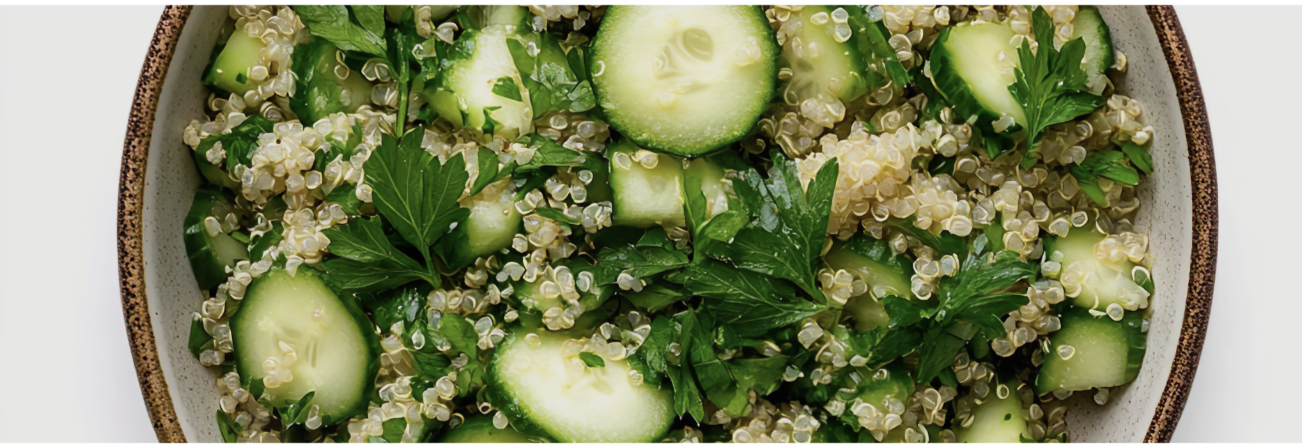
LUNCH
Quinoa Bowl with Cucumber & Cilantro
Ingredients:
1 cup cooked quinoa (cooled)
1/2 cucumber, diced
1/2 cup shredded carrot
1/4 avocado, sliced
2 tbsp chopped cilantro
Juice of 1/2 lime
1 tbsp olive oil
Pinch of ground cumin & salt
Instructions:
In a bowl, combine quinoa, cucumber, carrot, and avocado.
Mix lime juice, olive oil, cumin, and salt to create dressing.
Toss salad with dressing and top with cilantro.
Serve cool or at room temperature.

DINNER
Mung Dal & Zucchini Soup
Ingredients:
1/2 cup split yellow mung dal, rinsed
1 small zucchini, diced
1 tsp grated fresh ginger
1/4 tsp turmeric
1/2 tsp fennel seeds
1 tbsp ghee or sunflower oil
3 cups water
Salt to taste
Instructions:
In a pot, heat ghee and add fennel seeds until aromatic.
Add ginger, turmeric, mung dal, and water.
Simmer for 15 minutes, then add zucchini.
Cook until dal is soft. Season with salt.
Serve warm with a sprinkle of chopped cilantro.

TEA
Hibiscus Limeade Tea
Ingredients:
1–2 tsp loose hibiscus tea
1/2 tsp fennel seeds
(Optional) 1 tsp dried rose petals
Juice of 1 lime
1–2 tsp maple syrup or coconut sugar
2 cups water
Instructions:
Bring water to a boil and steep hibiscus tea and fennel seeds (and rose, if using) for about 8–10 minutes.
Strain, let cool slightly, then add lime juice and sweetener to taste.
Chill in the refrigerator or serve at room temperature for a refreshing summer drink.
Interested in learning more about your Ayurvedic constitution and everyday healing rituals that’s right for you?
SCHEDULE AN AYURVEDIC CONSULTATION TODAY!